
Updated: July 2026
In a fire emergency – smoke is the greatest danger
Most fire-related deaths are caused by smoke inhalation, not flames.
When the fire alarm sounds, act immediately. You must quickly decide whether to:
– Evacuate the building, or
– Defend in place by staying safely inside your unit.
Do not delay. Conditions can change rapidly, and smoke can spread through hallways and stairwells within minutes.
If you need assistance to evacuate
Residents who may require assistance evacuating the building during an emergency should notify Management in advance. Your name and unit number will be included in the building’s Fire Safety Plan and provided to the fire department during an emergency so they are aware that you may need assistance.
Please note that Management and the On-Call team will not be available to answer phone calls during an emergency, as they will be carrying out their responsibilities under the building’s Fire Safety Plan.
If there is a fire in your mid-rise unit
-
- Leave immediately and tell everyone in your unit to go.
- Close (do not lock) all doors behind you.
- Pull the nearest fire alarm and shout “Fire.”
- Use the nearest exit stairwell — do NOT use elevators or prop stairwell doors open.
- Call 9‑1‑1 from a safe location — never assume someone else has called.
- Meet firefighters when they arrive and tell them the fire location.
If the alarm sounds but your unit is safe
Although the safest place to be during a fire is outside the building, if smoke is NOT entering your unit it is typically safe to stay where you are and wait for further instructions. The building is relatively fire-resistant, but furnishings can create toxic fumes.
Evacuate only if it is safe
Before opening your door, check for signs of smoke or heat.
- If you see smoke or feel heat at your door or in the corridor, close the door immediately. Do not enter a smoky hallway or stairwell. Stay in your unit and follow the instructions for defending in place.
- If the corridor is clear, leave immediately. Take your keys, phone, ID, medications, and other essential items only if they are immediately accessible. Do not delay your evacuation to gather belongings.
When evacuating:
-
-
- Close your unit door behind you.
- Pull the fire alarm if it is not already sounding.
- Go to the nearest exit stairway. Use the stairs only—never use the elevator.
- Do not prop open stairwell doors. Stairwells are pressurized to help keep smoke out.
- If one stairwell contains smoke, use the other stairwell at the opposite end of the building if it is safe to do so.
- Never go to the roof.
- Once outside, call 9-1-1 from a safe location.
- Once out, stay out. Do not re-enter the building until the fire department says it is safe.
- Meet at the park across from Wilton Street.
- Tell firefighters anything you know about the emergency.
-
Defend in place
If smoke or fire prevents you from leaving safely:
- Call 9-1-1 immediately. Tell the dispatcher:
- You are remaining in your unit.
- Your address and unit number.
- Whether you see smoke or flames.
- Activate the hallway fire alarm if it is not already sounding.
- Keep your unit door closed. Do not lock the door if you may need rescue assistance.
- Protect yourself from smoke.
- Place wet towels or sheets along the bottom of the door.
- Use duct tape to seal cracks around the door.
- Seal vents and air ducts if smoke is entering.
- Stay low to the floor, where the air is generally cleaner.
- Remain inside until firefighters rescue you or instruct you to leave.
If smoke enters your unit
- Call 9-1-1 again and tell the dispatcher your exact location.
- Move to the room with the least smoke. If available, move to an enclosed sunroom or balcony.
- Close doors behind you.
- Seal the room with wet towels and duct tape, if available.
- Signal firefighters by hanging a light-coloured sheet or towel from a window, sunroom, or balcony.
- Stay low to the floor.
- Stay awake and listen for instructions from emergency personnel.
- Townhouse residents
If you live in a townhouse:
-
-
- Always evacuate immediately during a fire emergency.
- Call 9-1-1 from a safe location.
-
Fire safety kit recommendations
Keep an emergency kit near your front door containing:
-
-
- Duct tape
- Old towels or sheets
- Bottled water to wet them
- Flashlight and spare batteries
- Phone charger
- Essential medications
- Identification and emergency contact information
-
Fire prevention tips
-
-
- Never leave cooking unattended. Stay in the kitchen when frying food
and cooking on the stove top. - Keep a pot lid nearby to smother small cooking fires.
- Never use water on grease or oil fires.
- Keep paper towels and combustible items away from the stove.
- Never throw cigarettes or burning materials from windows or balconies.
- Never smoke in bed. Never smoke if oxygen is used in the home. Smoke outside.
- Never leave cooking unattended. Stay in the kitchen when frying food
-
Remember
-
-
- Act immediately.
- Protect yourself from smoke.
- Use stairs, never elevators.
- Use a pull station to sound the alarm in the building.
- Call 9-1-1 from a safe location.
-
Never assume others have already reported the emergency.
OTHER EMERGENCIES
On-Call Service (Woodsworth)
After 5pm on weekdays, plus weekends & holidays
Phone Number for OnCall – 437-766-3145
Emergency – Call 9-1-1
Fire, medical emergency or a crime in progress
Police Non-Emergency – 416-808-2222
24 hour service.
If you are calling on a cellphone in Toronto, call *877 or *TPS (Toronto Police Service)
Toronto Community Crisis Service (TCCS) – Call 211 for non-police help
Free, confidential, in-person mental health supports city-wide from mobile crisis worker teams.
Suicide crisis helpline – Call 9-8-8
24 hour service
MID-RISE ADDRESS is 133 Wilton near Jarvis and the Esplanade.
Sudden Cardiac Arrest
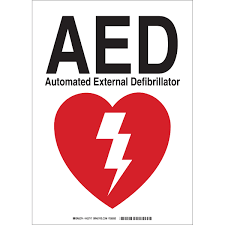
There is an external automated defibrillator (AED) on the ground floor lobby in a box beside the elevator.
This is a portable device that checks the heart rhythm and can send an electric shock to the heart to try to restore a normal rhythm.
- Call 911 or have someone else do it. The midrise building is at 133 Wilton Street near Jarvis and the Esplanade.
- Send someone for the defibrillator.
- Take it out of the box and turn it on.
- The machine will talk to you. Follow instructions that the machine will give you.
- Keep going until paramedics arrive and take over.
Other services:
City of Toronto Services – Call 311
Woodsworth On-Call – 437-766-3145
Property emergencies and lock-outs – evenings and weekends) –
For information about power outages and more, see
A-Z Handbook for Co-op Members
In Case of Emergency Info Sheet
Click to download and print a sheet for emergency responders.